

The U.S. numbered highway system uses route numbers to help drivers understand roadway direction, location, and how a road connects to larger transportation routes. Even-numbered routes generally run east to west, odd-numbered routes generally run north to south, and three-digit auxiliary routes identify loops, beltways, and spurs that branch from primary highways.
Key Takeaways
- Even-numbered highways and interstates generally run east and west
- Odd-numbered highways and interstates generally run north and south
- Lower even-numbered routes are typically farther south
- Lower odd-numbered routes are typically farther west
- Three-digit auxiliary routes branch off from a parent highway
- Loops and beltways usually begin with an even number
- Spur routes usually begin with an odd number
- Understanding route numbers can help truck drivers plan safer, more efficient trips
Have you ever wondered exactly how the United States (U.S.) numbered highway system works?
The numbers aren’t chosen randomly; they correlate to directions and how the roadway is routed around big areas.
Learning the numbering system for highways and interstates can be a gamechanger. It helps you pick the best routes, avoid congestion, and plan for weather conditions — keeping your trip efficient and stress-free.
Whether you’re a newer truck driver or you’ve just never known what the roadway numbering system means, remember this handy information when you’re doing your next trip plan.
- Highways vs. interstates
- Highway numbering system
- Auxiliary routes
- Exit numbers
- Trip planning tips
U.S. Highways vs. Interstates
A highway is a major roadway that connects cities and towns, while an interstate is a highway designed to connect routes across state lines. All interstates are highways, but not all highways are interstates.
Running on highways, as opposed to local roads, can be a great backup plan when other roads are backed up or if you’re hauling oversized loads that require special routing. Local roads are usually slower due to traffic signals and lower speed limits. They also have more intersections and narrower lanes.
| Road Type | What It Means | Why It Matters for Truck Drivers |
|---|---|---|
| Highway | A major roadway that connects cities and towns. | Can provide an alternate route when local roads are slower or less truck friendly. |
| Interstate | A highway that crosses state lines. | Often supports longer-distance freight movement and route planning. |
| Local Road | A smaller roadway with more intersections, traffic signals, and lower speed limits. | May be slower and more challenging for certain loads or equipment. |
U.S. Highway Numbering System
The highway system utilized in the U.S. follows a grid pattern. It uses one- or two-digit numbers, and whether those numbers are odd or even depends on the direction the route runs.
The numbers identify different sections of the roadway and help drivers contrast one route from another.
| Route Number Pattern | General Direction | Location Clue | Driver Planning Benefit |
|---|---|---|---|
| Even numbers | East to west | Lower numbers are generally farther south. | Helps drivers identify east-west corridors for trip planning. |
| Odd numbers | North to south | Lower numbers are generally farther west. | Helps drivers identify north-south corridors and terrain changes. |
| Three-digit numbers | Auxiliary route | Connected to a parent route. | Helps identify loops, beltways, and spurs around or into major areas. |
East-West Routes
East-to-west routes use even numbering. A good trick to remember this is to think “even goes east.” The lowest numbers are in the south.
If you're hauling a load along an even-numbered interstate like I-40 or I-90, you know you're traveling east or west. This can help with planning fuel stops or rest areas, especially since east-west interstates often have truck stops and rest areas placed strategically along these corridors.
Lower even-numbered interstates like I-10 or I-20 are typically warmer year-round, which may help you avoid icy conditions in winter.
North-South Routes
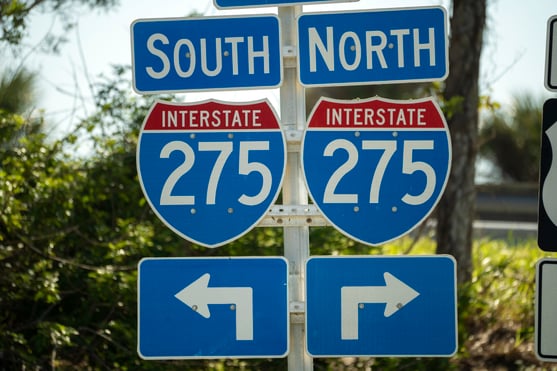
Routes with odd numbers run north to south. The lowest numbers start in the west.
Odd-numbered highways like I-5 on the West Coast and I-95 on the East Coast indicate you're traveling north or south.
Be mindful of how terrain changes along these routes. For example, routes like I-25 in the West have mountainous areas, while I-35 through the Midwest offers smoother, flatter drives.
What Are Auxiliary Routes?
An auxiliary route is a three-digit route that branches off from a primary highway. The auxiliary route’s number is based on the parent route’s number. For example, I-494 is an auxiliary route branching off from I-94.
Auxiliary routes can be loops, beltways, or spurs.
| Auxiliary Route Type | Numbering Pattern | What It Does | Truck Driver Use Case |
|---|---|---|---|
| Loop | Even first digit | Branches off a highway and reconnects with the same highway. | May help bypass traffic or serve suburban areas. |
| Beltway | Even first digit | Skirts around major cities and urban areas. | Can help avoid heavy urban traffic. |
| Spur | Odd first digit | Branches off a major highway and connects to a direct-access area. | May lead to downtown areas, business districts, ports, city centers, or military bases. |
Loops and Beltways
Loops and beltways utilize even digits in their first number.
A highway loop branches off a highway to bypass traffic before later reconnecting with that same highway. Highway loops are designed to bypass traffic and serve suburbs. They’re also often used to direct traffic to business districts or to go through historical or scenic areas.
A beltway skirts around major cities and urban areas.
If you’re using a beltway, you’re typically circling a city to avoid heavy urban traffic. These can save valuable time by avoiding congested inner-city streets.
Pro Tip: Always check traffic reports or use navigation apps to determine if the beltway is faster. Sometimes, going through the city may actually save time, especially during off-peak hours.
Spur Routes
Spur routes have odd first-digit numbers.
A spur route is a short route that branches off from a major highway and connects to a direct-access area. For example, it may connect to a downtown area in a major city or a military base.
Pro Tip: When you're hauling into cities, spur routes like I-195 in New Jersey are your go-to. These are designed to take you directly to business districts, ports, or city centers. Watch out for potential weight restrictions and height clearances on spur routes. Many city infrastructures aren’t truck-friendly, so plan ahead to avoid rerouting.
Interstate Exit Numbers
Interstate exit numbers help drivers understand where they are on a route and how exits are organized. There are two ways they are numbered:
- The consecutive numbering system
- The milepost numbering system
The consecutive numbering system starts at Exit 1 on the most western or southern point on the route. Subsequent exits are numbered consecutively: Exit 2, Exit 3, Exit 4, and so on.
The milepost numbering system is — you guessed it — based on mileposts. Routes are mile posted at the most western or southern point and begin at Milepost 0. Exit numbering is based on where it is in relation to the nearest mileposts. For example, if the exit is at 9.5 miles and between milepost 9 and 10, it’ll be numbered as Exit 9.
This is a great way to understand where you are as it relates to the start of the highway.
| Exit Numbering System | How It Works | Example |
|---|---|---|
| Consecutive numbering | Exits are numbered in order from the western or southern starting point. | Exit 1, Exit 2, Exit 3, Exit 4 |
| Milepost numbering | Exits are numbered based on their location near mile markers. | An exit near milepost 9 may be Exit 9. |
Use Road Numbers for Better Trip Planning
Knowing how the numbering system works is beneficial when you’re trip planning. Road numbers can help you prepare for weather, avoid congestion, navigate construction zones, and make better routing decisions.
Planning for Weather
Knowing that north-south routes like I-35 or I-95 can cross through vastly different climates will help you prepare. For example, you could start in Florida with warm weather and end in snowy Maine. Be prepared with tire chains or proper cold-weather gear.
Avoiding Congestion
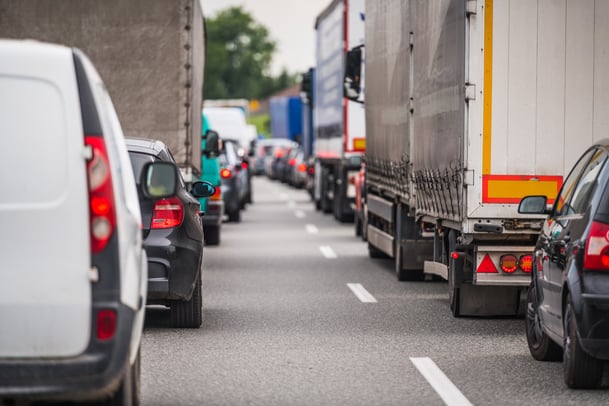
Understanding auxiliary routes, like loops or spurs, can help you avoid major traffic congestion. Choosing the right route based on these numbers can save you hours of delay time.
Navigating Construction Zones
Familiarize yourself with numbering systems so that you can quickly reroute during construction. For instance, knowing that a beltway like I-285 reconnects with I-75 can provide an alternate route if the main interstate has a lane closure.
Study Route Maps Regularly
Understanding the numbering system in advance will help with trip planning. Familiarize yourself with major east-west and north-south routes, as well as auxiliary roads, so you’re not caught off guard.
Leverage Technology
Use apps like Trucker Path or Waze, which can help you plan the best routes based on truck stops, weigh stations, and traffic conditions.
Common Questions About the U.S. Numbered Highway System
How does the U.S. numbered highway system work?
The U.S. numbered highway system uses route numbers to indicate direction and route type. Even-numbered routes generally run east and west, odd-numbered routes generally run north and south, and three-digit auxiliary routes branch off from a parent highway.
What is the difference between a highway and an interstate?
A highway is a major roadway that connects cities and towns. An interstate is a highway that crosses state lines. All interstates are highways, but not all highways are interstates.
What do even-numbered highways mean?
Even-numbered highways generally run east and west. Lower even-numbered interstates, such as I-10 or I-20, are typically farther south.
What do odd-numbered highways mean?
Odd-numbered highways generally run north and south. Lower odd-numbered routes start farther west, such as I-5 on the West Coast.
What is an auxiliary route?
An auxiliary route is a three-digit route that branches from a primary highway. Auxiliary routes can be loops, beltways, or spurs.
What is the difference between a loop, beltway, and spur route?
A loop branches off a highway and reconnects with the same highway. A beltway skirts around a major city or urban area. A spur branches off a major highway and connects to a direct-access area such as a downtown district, port, city center, or military base.
How do exit numbers work?
Exit numbers may follow a consecutive numbering system or a milepost numbering system. Consecutive exits are numbered in order, while milepost-based exits correspond to the nearest mile marker.
Why should truck drivers understand highway numbers?
Understanding highway numbers can help truck drivers plan routes, prepare for weather, avoid congestion, navigate construction zones, and choose better alternate routes when needed.

Trip Plan Like A Pro
Understanding the U.S. numbered highway system can make a significant difference in your daily trip planning and overall efficiency. Whether you're navigating an east-west route like I-90, a north-south corridor like I-95, or using an auxiliary route to avoid heavy traffic, knowing how the numbering system works gives you an edge on the road.
By familiarizing yourself with key details, such as interstate exit numbering and auxiliary routes, you’ll be better prepared to avoid congestion, tackle unexpected detours, and adapt to changing weather conditions. So, next time you're planning a trip, use this knowledge to your advantage — it could save you valuable time and miles on the road.
For more trip planning tips that’ll help you become more efficient, study these tips from ATS.