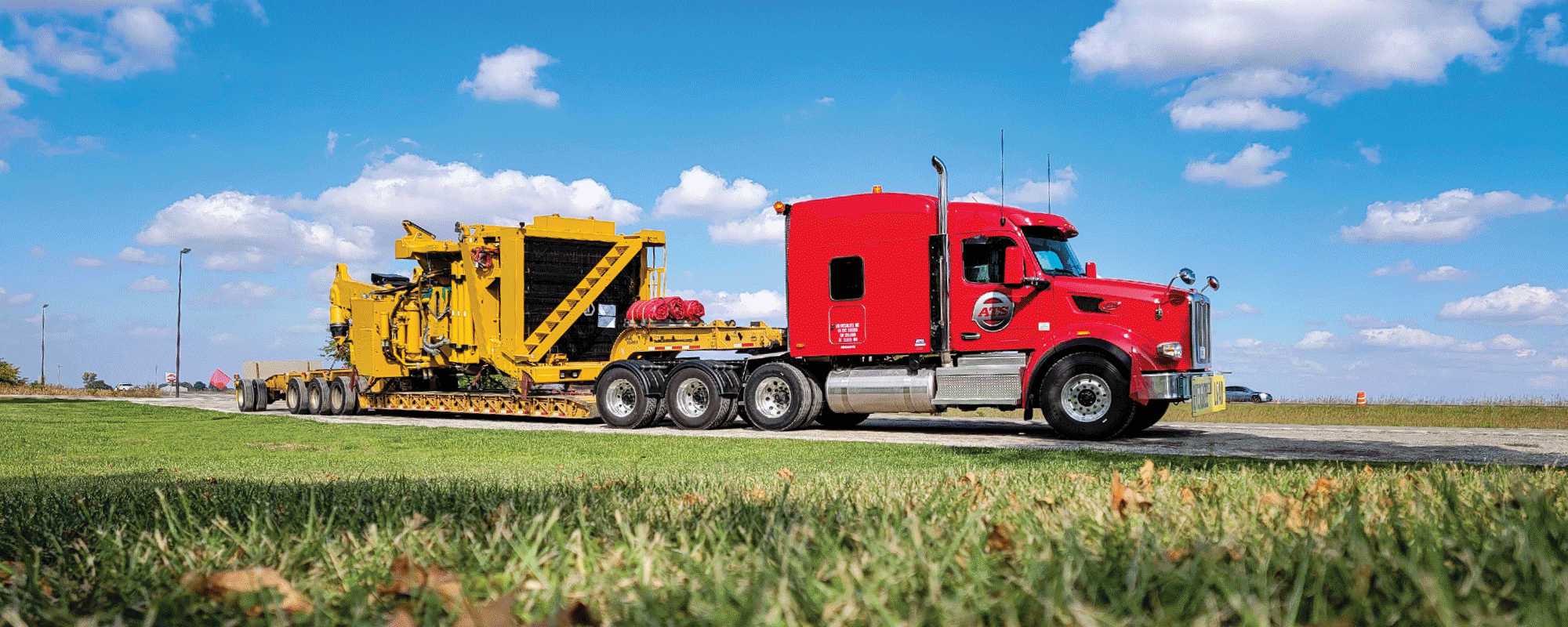

Best Heavy Haul Trucking Companies in 2026 at a Glance
Not all heavy haul trucking companies operate at the same level. In 2026, the best heavy haul carriers are defined by more than just oversized trailers and powerful trucks. The companies leading the industry today combine nationwide reach, specialized equipment, advanced permitting expertise, driver development, and operational versatility to move some of the largest and most complex freight in North America safely and legally.
As industries like renewable energy, data center construction, infrastructure expansion, and industrial manufacturing continue growing, demand for experienced heavy haul trucking continues to increase. But for both customers and drivers, identifying the right carrier requires understanding what truly separates elite heavy haul operations from average ones. As Operations Manager for Anderson Trucking Service's (ATS) specialized teams, that's where I come in.
Key Takeaways
- The best heavy haul trucking companies prioritize safety, legal compliance, and operational expertise.
- Nationwide geographic reach is becoming a major competitive advantage.
- Equipment investment and maintenance directly impact driver safety and freight reliability.
- Heavy haul drivers need advanced problem-solving, routing, and permit management skills.
- 2026 market growth is being driven heavily by data centers, renewable energy, and larger industrial equipment.
How to Compare the Best Heavy Haul Trucking Companies
| Evaluation Factor | Why It Matters for Drivers | What Top Heavy Haul Carriers Provide |
|---|---|---|
| Legal compliance | Protects drivers from unsafe or illegal operating conditions | Dedicated permit, routing, escort, and compliance processes |
| Equipment investment | Improves safety, reliability, and freight opportunities | Modern tractors, specialized trailers, and maintenance support |
| Nationwide reach | Creates more freight options and operational flexibility | Experience moving oversized loads across the lower 48 states |
| Driver development | Helps drivers advance into more specialized, higher-responsibility freight | Training, certification pathways, experienced dispatch, and operational support |
| Freight diversity | Reduces dependence on one market or freight category | Construction, energy, infrastructure, manufacturing, and industrial freight |
What Is Heavy Haul Trucking?
Heavy haul trucking refers to the transportation of oversized or overweight freight that exceeds standard legal dimensions or weight limits. While definitions vary across the trucking industry, many specialized carriers classify heavy haul freight as loads ranging from approximately 55,000 pounds to more than 200,000 pounds.
These shipments often require:
- Specialized multi-axle trailers
- Escort vehicles
- State-by-state permits
- Advanced route planning
- Restricted travel schedules
- Highly trained drivers
Common heavy haul freight includes:
- Construction equipment
- Transformers
- Cranes
- Industrial machinery
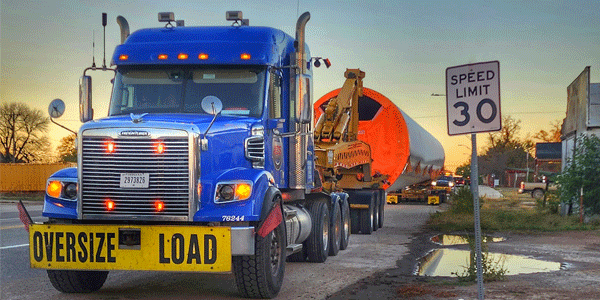
- Wind energy components
- E-houses and modular power systems
- Oversized steel structures
What Makes the Best Heavy Haul Trucking Companies Stand Out?
1. Nationwide Reach and Operational Versatility
One of the biggest differences between top-tier heavy haul trucking companies and smaller regional carriers is geographic reach.
Many specialized carriers operate within limited regions because oversized freight quickly becomes more complicated as distances increase. Permits, routing restrictions, bridge laws, and escort requirements vary dramatically from state to state.
The strongest heavy haul carriers have extensive experience operating across the lower 48 states, giving them a big advantage in:
- Permit coordination
- Multi-state route planning
- Escort management
- Equipment deployment
- Freight flexibility
- Load optimization
This broader operational scale allows carriers to adapt when markets shift — a "must" in today's economy.
2. A Commitment to Legal and Safe Heavy Haul Operations
Do it right. Do it legal. Do it safe. That's the mantra in heavy haul trucking.
Top heavy haul trucking companies distinguish themselves by refusing to cut corners. The best carriers invest heavily in:
- Legal permitting processes
- Hours-of-Service compliance
- Correct axle configurations
- Escort coordination
- Load securement standards
- Route validation
A company with these priorities in place creates enormous peace of mind for drivers.
In contrast, less experienced or under-resourced carriers sometimes prioritize speed over compliance, creating serious safety and liability risks. In heavy haul transportation, mistakes can become extremely expensive, even dangerous.
Why Equipment Investment Matters in Heavy Haul Trucking
It's not just the drivers who have to be able to handle stress. Heavy haul equipment also operates under extreme stress every day.
Trailers routinely carry freight at or near maximum legal thresholds, which creates accelerated wear and maintenance demands. That's why leading heavy haul trucking companies continuously invest in:
- New trailer technology
- Trailer configurations
- Fleet maintenance infrastructure
- Replacement parts inventory
- Modern heavy haul tractors
Strong carriers don't simply try to find freight that matches the trailers they have. Instead, they evolve their fleets to meet changing market demand so they can haul what needs to be hauled.
That adaptability is becoming increasingly important as freight dimensions continue growing in sectors like renewable energy and data center construction.
Emerging Equipment Trends in 2026
Several freight categories are rapidly reshaping the heavy haul trucking industry:
- Larger wind turbine blades
- Bigger cranes and construction equipment
- Massive e-houses for data centers
- Renewable energy infrastructure
- Oversized utility components
Carriers that fail to modernize their fleets risk becoming too specialized or too outdated to remain competitive long-term.
What the Best Heavy Haul Drivers Do Differently
There's no sugarcoating it: heavy haul trucking is one of the most demanding specializations in transportation.
Successful heavy haul drivers aren't just steering oversized loads down the highway (though that, in and of itself, takes an elite level of experience and skill). They are actively managing every aspect of a highly dynamic operation.
Critical Skills for Heavy Haul Drivers
- Advanced route planning
- Permit interpretation
- Time management
- Problem-solving under pressure
- Equipment troubleshooting
- Load securement expertise
- Situational awareness
- Escort coordination
- Mechanical knowledge
Unlike standard freight operations, heavy haul freight is rarely “cookie cutter.” Every load presents unique variables involving dimensions, road restrictions, turning radius limitations, weather, traffic, and securement requirements.
The most successful drivers are proactive problem solvers who can adapt quickly and make informed decisions under pressure.
Why Heavy Haul Trucking Requires Patience and Discipline
Oof, does it ever. Many drivers are attracted to heavy haul trucking because of the higher earning potential. But, to paraphrase Spiderman, "higher pay comes with significantly greater responsibility."
Heavy haul drivers often spend:
- 6–8 weeks on the road at a time
- Hours coordinating permits and escorts
- Additional time inspecting equipment and securement
- Long periods waiting on weather or restricted travel windows
Movement can be slow, highly regulated, and unpredictable. Drivers must be comfortable with a “hurry up and wait” environment where delays are common and flexibility is essential.
The best heavy haul drivers understand that consistency, patience, and preparation are just as important as driving skill.
How Top Heavy Haul Companies Support Drivers
Elite heavy haul trucking companies provide far more operational support than standard carriers.
Strong support systems may include:
- Dedicated permit departments
- Escort coordination teams
- Advanced driver training programs
- Trailer maintenance facilities
- Progressive certification systems
- Experienced dispatch support
Comprehensive training is especially important because heavy haul equipment and regulations get more and more complex as drivers move into larger trailer classes.
Many leading carriers use structured advancement systems where drivers gradually gain experience with more advanced equipment over time instead of skipping directly into highly specialized hauling.
Why Drivers Choose ATS for Heavy Haul Trucking
ATS gives heavy haul drivers access to specialized freight, experienced operational support, and a structured environment for building advanced hauling skills over time.
- Heavy haul focus: Oversized, overweight, and specialized freight
- Driver opportunities: Company driver and independent contractor opportunities
- Support structure: Permitting, routing, securement guidance, dispatch, and equipment support
- Best fit: Drivers who want to grow into more complex freight while working with a carrier that emphasizes safety and legal compliance
For drivers comparing the best heavy haul trucking companies in 2026, ATS stands out because heavy haul is not treated as an add-on service. It is a specialized operation supported by experienced people, purpose-built equipment, and a safety-first process.
The Biggest Misconception About Heavy Haul Trucking
One of the most common misconceptions is that heavy haul is simply flatbed trucking with bigger loads.
In reality, heavy haul trucking is a completely different operational environment.
Drivers become managers of an entire transportation process that includes:
- Permits
- Escorts
- Routing
- Equipment setup
- Load engineering
- Compliance management
- Mechanical troubleshooting
Everything becomes more involved:
- Pre-trips are more detailed
- Load checks are more intensive
- Securement is more demanding
- Route planning is more critical
For these reasons, heavy haul trucking remains one of the most respected and challenging sectors within the transportation industry. It's literally the big league of trucking.
What Drivers Should Look for in a Heavy Haul Trucking Company
Drivers considering heavy haul trucking jobs in 2026 should evaluate companies carefully.
Best Heavy Haul Trucking Companies for Driver Growth
The best heavy haul trucking companies for growth give drivers a clear path from standard oversized freight into more advanced trailer configurations, heavier loads, and more complex routing responsibilities.
Best Heavy Haul Trucking Companies for Safety-Focused Drivers
Safety-focused drivers should look for carriers that prioritize legal permits, proper axle configurations, route planning, securement standards, escort coordination, and equipment maintenance.
Best Heavy Haul Trucking Companies for Specialized Freight Experience
Drivers who want to drive heavy haul long-term should choose companies with diversified freight networks, including construction equipment, renewable energy components, industrial machinery, transformers, cranes, and modular power systems.
Questions Drivers Should Ask
- Does the company prioritize legal compliance?
- How modern and well-maintained is the equipment?
- What kind of heavy haul freight does the company specialize in?
- Is there room for advancement?
- What training programs are available?
- How long are drivers typically out on the road?
- Does the company provide operational support?
- How diversified is the freight network?
Drivers should also realistically assess their own goals and lifestyle preferences.
Heavy haul trucking offers excellent income potential, but it demands flexibility, patience, strong financial management, and a willingness to continuously learn.
The Future of Heavy Haul Trucking in 2026 and Beyond
The heavy haul trucking industry is always evolving.
Infrastructure expansion, renewable energy growth, AI-driven data center construction, and increasing industrial equipment size are all driving demand for specialized transportation services.
At the same time, customers increasingly expect:
- Faster communication
- Safer operations
- Modern equipment
- Nationwide capacity
- Regulatory expertise
- Reliable delivery timelines
The best heavy haul trucking companies in 2026 will be the ones capable of balancing scale, specialization, technology, compliance, and driver expertise simultaneously.

Frequently Asked Questions About Heavy Haul Trucking Companies
What makes a heavy haul trucking company one of the best?
The best heavy haul trucking companies combine legal compliance, specialized equipment, experienced drivers, nationwide routing knowledge, strong maintenance programs, and operational support for permits, escorts, and securement.
What should drivers look for in a heavy haul trucking company?
Drivers should look for safe equipment, clear advancement opportunities, experienced dispatch support, permit and routing expertise, consistent freight, and a company culture that prioritizes legal and safe operation.
Is heavy haul trucking a good move in 2026?
Heavy haul trucking can be a strong path in 2026 for experienced drivers who want specialized freight, higher responsibility, and long-term growth in sectors like infrastructure, renewable energy, industrial manufacturing, and data center construction.
What skills do heavy haul drivers need?
Heavy haul drivers need advanced trip planning, permit interpretation, load securement knowledge, patience, mechanical awareness, escort coordination, and strong problem-solving skills.
Why is heavy haul trucking more complex than standard freight?
Heavy haul trucking involves oversized or overweight freight that may require special permits, route planning, escort vehicles, restricted travel windows, specialized trailers, and detailed compliance management.
Last Stop
Heavy haul trucking is one of the most complex and demanding sectors in transportation. But it's also one of the most rewarding for carriers and drivers who approach it professionally.
The companies standing out in 2026 are not necessarily the ones with the biggest trucks. They're the carriers investing in operational infrastructure, driver development, legal compliance, specialized equipment, and nationwide versatility.
For drivers, choosing the right heavy haul trucking company can shape long-term success. For shippers, selecting the right heavy haul carrier can determine whether critical freight moves safely, legally, and efficiently.
As oversized freight demand continues growing across North America, the gap between average carriers and elite heavy haul operations will only become more visible.
Interested in specialized trucking opportunities?
Check out opportunities with ATS or connect with us today.